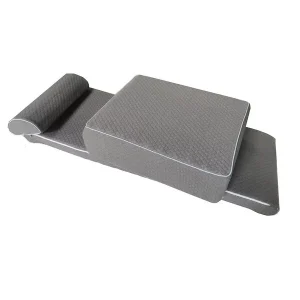
Back discomfort is one of the most common causes of reduced mobility and decreased productivity in everyday life. Whether it results from prolonged sitting, repetitive physical activity, or age-related changes in the spine, many people look for safe, practical ways to support everyday back comfort. Products such as the Lumbarest Back Decompression Mat are designed to provide gentle stretching and spinal support as part of a regular wellness routine, helping users improve flexibility and ease stiffness without replacing professional medical care.
One increasingly popular approach is back pain traction treatment, a non-invasive method designed to gently decompress the spine and reduce pressure on affected areas. By creating space between vertebrae, traction techniques may help relieve nerve compression, improve circulation, and support natural spinal alignment.
This article explores the most effective traction-based options available today and how they can contribute to everyday comfort and long-term spinal wellness.
Key Takeaways
- Back traction is a non-invasive method that helps reduce spinal pressure
- It may improve mobility and reduce stiffness in the lower back
- Different traction methods include manual, mechanical, and home-based devices
- Consistency and proper technique are essential for effective results
- It works best as part of a broader back care routine, not a standalone cure
Understanding Back Pain Traction Treatment and How It Works
Back pain traction treatment focuses on gently stretching the spine to reduce compression between vertebrae. This controlled stretching helps create space in the spinal discs, which may relieve pressure on nerves and surrounding tissues.
There are two main approaches:
- Manual traction, typically performed by physiotherapists or chiropractors
- Mechanical traction, which uses specialized equipment or devices
Both methods aim to reduce muscle tension, improve spinal alignment, and enhance mobility. In clinical settings across Europe, traction therapy is often integrated into rehabilitation programs for patients with chronic lower back discomfort.
Mechanical Traction Devices for At-Home Comfort
One of the most accessible modern solutions is the use of mechanical traction devices designed for home use. These tools allow users to apply controlled spinal decompression without visiting a clinic.
How They Work
Mechanical devices typically use adjustable frames, inflatable systems, or harness-based setups to gently stretch the lumbar region. This helps reduce pressure buildup caused by daily activities such as sitting or lifting.
Benefits of At-Home Use
- Convenient daily application
- Adjustable intensity levels
- Supports consistent therapy routines
- Can complement physiotherapy plans
Many users report noticeable relief after regular sessions, especially when combined with posture correction and stretching exercises. However, correct usage is essential to avoid overstretching or discomfort.
Physiotherapy-Based Traction for Targeted Treatment
Professional physiotherapy remains one of the most reliable methods of applying back pain traction treatment. In clinical environments, trained specialists tailor the intensity and duration of traction based on the patient’s condition.
What to Expect in a Session
- Initial assessment of spinal condition
- Gradual application of controlled traction force
- Monitoring of comfort and response
- Combination with massage or mobility exercises
Physiotherapy-based traction is especially beneficial for individuals recovering from disc-related issues or chronic muscle tightness. It is often combined with strengthening exercises for long-term stability.
This approach is widely used in rehabilitation centers across Germany and other parts of Europe, where evidence-based spinal care is prioritized.
Supporting Everyday Comfort with Lifestyle Adjustments
Traction treatment alone is not enough for long-term spinal health. Everyday habits play a crucial role in maintaining results and preventing recurrence of discomfort.
Key Lifestyle Improvements:
- Maintain ergonomic sitting posture during work
- Take movement breaks every 45–60 minutes
- Use supportive chairs with lumbar support
- Stay physically active with low-impact exercise
Exercise and Mobility
Light activities such as walking, swimming, or yoga help reinforce the benefits of traction therapy. These movements promote circulation and reduce stiffness in supporting muscles.
Safety Considerations and When to Seek Professional Advice
While back traction can be highly effective, it is not suitable for everyone. Safety should always be a priority when considering any spinal treatment.
Avoid or Consult a Doctor If You Have:
- Severe or unexplained back pain
- Recent spinal injuries or fractures
- Advanced osteoporosis
- Neurological symptoms such as numbness or weakness
It is always recommended to consult a healthcare professional before starting any form of traction therapy, especially if symptoms persist or worsen over time.
Frequently Asked Questions (FAQ)
What is back pain traction treatment used for?
It is used to relieve spinal pressure, improve alignment, and reduce discomfort caused by nerve compression or muscle tension.
How often should traction therapy be done?
This depends on individual condition, but many people benefit from 2–4 sessions per week under professional guidance.
Can I use traction therapy at home safely?
Yes, but only with proper instruction and approved devices. Overuse or incorrect setup may lead to discomfort.
Does traction therapy provide permanent relief?
It can significantly reduce symptoms, but long-term results depend on posture, exercise, and lifestyle habits.
Is traction suitable for all types of back pain?
No, it is not suitable for every condition. Medical consultation is recommended before starting treatment.
Conclusion
Back discomfort can significantly impact daily life, but modern non-invasive solutions offer practical ways to improve comfort and mobility. Back pain traction treatment stands out as an effective method for reducing spinal pressure and supporting natural alignment when used correctly.
Whether through professional physiotherapy or carefully selected home devices, traction therapy can play an important role in a broader back care strategy. When combined with healthy posture habits, regular movement, and ergonomic awareness, it helps build a sustainable foundation for long-term spinal health.